
Feeling overwhelmed, low on energy, or constantly stressed? The answer might be on your plate. Nutrition plays a powerful, often overlooked role in mental health. If you’re considering a free nutrition course, you’re not just learning about food groups or calories – you’re gaining insights into how what you eat affects your emotional resilience, cognitive clarity, and everyday mood.
A free nutrition course is one of the most practical ways to understand a connection that science has been building the case for for decades: what you eat directly affects how you feel, think, and cope. Nutrition plays a powerful and often overlooked role in mental health, influencing neurotransmitter production and gut health, cognitive clarity, and emotional resilience.
A growing body of research links diet quality with emotional wellbeing. From the role of the gut-brain axis to the impact of micronutrients on neurotransmitters, the science is clear: what you eat shapes how you feel. Mental health charities such as Mind and public health bodies like the National Health Service’s Eatwell Guide have recognised nutrition as a core element of maintaining balance and reducing the risk of depression or anxiety.
For adult learners in England, this is more than theory. With government-funded nutrition courses, you can study for free and unlock the knowledge that supports both personal well-being and career growth. Whether you’re looking to apply new strategies to your own life or empower others in a care or community setting, understanding the relationship between food and mood is a valuable, future-ready skill.
Table of Contents
How Diet Affects Mood, Stress and Brain Function
The brain is a high-performance organ, working 24/7 to regulate thoughts, emotions, memory and sleep. It needs consistent, quality fuel to function well. The quality of a person’s diet directly influences neurotransmitter production, including serotonin, dopamine, and GABA, all of which play essential roles in regulating mood, sleep, and stress levels.
Key nutrients associated with mental health and cognitive function:
- Omega-3 fatty acids (found in oily fish, flaxseed, and walnuts) are linked to lower rates of depression and improved emotional regulation
- B Vitamins ((B6, B12, folate), involved in serotonine and dopamine synthesis
- Magnesium associated with reduced anxiety and improved sleep quality.
- Zinc plays a role in cognitive function and mood stabilisation
- Complex carbohydrates support steady serotonin production by avoiding blood sugar spikes
Conversely, diets high in ultra-processed foods and refined sugars can impair brain function and increase the risk of mood disorders. These foods may trigger spikes and crashes in blood sugar, which in turn can lead to irritability, fatigue, and poor concentration. Over time, poor nutrition can disrupt the gut microbiome, reduce brain plasticity and contribute to chronic low-grade inflammation – all of which have been linked to depression and anxiety.
Understanding this mind-body connection is one of the most empowering aspects of studying nutrition. A free nutrition course can help you learn how to identify nutrient deficiencies and recognise the early signs of diet-related mental health shifts. Whether for personal or professional use, a free nutrition course provides you with valuable knowledge to support better brain health. This is why enrolling in a free nutrition course is such a powerful step towards emotional and mental wellbeing. With the right guidance, learners can develop not only better eating habits but a more stable and focused mindset.

The Science Behind Nutrition and Mental Health
Modern research has established a strong and growing link between the food we consume and how we feel. A central understanding is the gut-brain axis: a bidirectional communication system that allows the digestive tract and central nervous system to constantly exchange signals, influencing everything from stress levels to emotional stability.
One of the key factors in this relationship is the gut microbiome – the trillions of bacteria that live in the digestive tract. These microbes help produce neurotransmitters such as serotonin and dopamine, regulate inflammation, and affect hormone levels. A diverse and balanced gut microbiome is associated with reduced symptoms of depression and anxiety, while a compromised gut environment can contribute to mood disorders. This area of study, often referred to as nutritional psychiatry, has received increasing recognition from researchers and practitioners worldwide.
Studies continue to reinforce that:
- A Mediterranean-style diet, rich in vegetables, legumes, whole grains, nuts and healthy fats, can reduce the risk of depression
- High sugar intake, particularly from processed snacks and drinks, is associated with fatigue, mood swings and poor cognitive performance
- Diets high in fibre and natural plant-based foods promote gut health and can positively impact emotional wellbeing and brain function
These insights are not just academic. They are practical tools for everyday life. In a well-structured online free nutrition course, you’ll explore how the brain responds to certain nutrients, how inflammation and oxidative stress can affect mood, and how to apply this knowledge to support mental health at work, home and in the community.
These are just some of the insights you’ll explore in our online free nutrition course.
- Mind’s guidance on food and mental health: mind.org.uk/information-support/tips-for-everyday-living/food-and-mood.
- NHS Eatwell Guide: nhs.uk/live-well/eat-well/food-guidelines-and-food-labels/the-eatwell-guide
Why Adult Learners Should Consider a Free Nutrition Course
A free nutrition course is relevant across a wide range of roles and life situations. It is not restricted to people working in healthcare or nutrition professionally.
- Care workers and support workers who want to understand how diet affects the physical and mental wellbeing of the people they support
- Teaching assistants and education support staff who recognise the link between nutrition, concentration, and behaviour in children
- Parents and carers who want to make more informed choices for their family’s health and emotional stability
- Adults working in community, voluntary, or mental health support roles who want practical, evidence-based knowledge
- Anyone experiencing stress, low energy, or mood difficulties who wants to understand the dietary factors that may be contributing
- Adults considering a career change into health, social care, nutrition, or education who want a credible starting qualification
Learners do not need a career goal to benefit from this course. Many enrol for personal reasons and find the qualification opens new directions. Others use it to formalise knowledge they have built informally over years of caring for others or managing their own health.
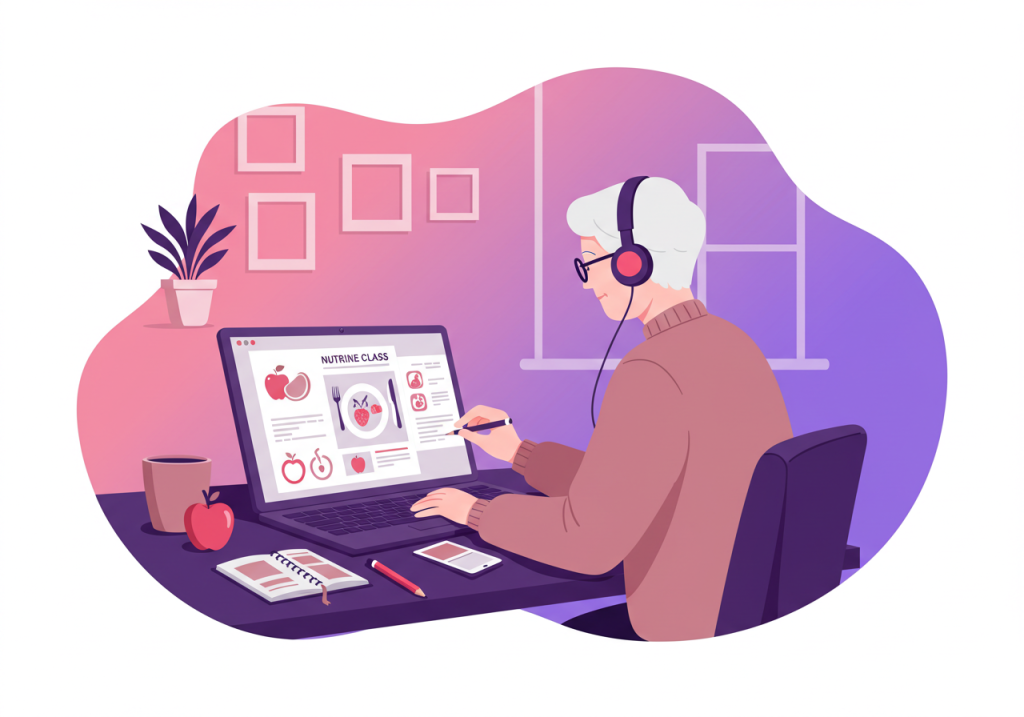
What You’ll Learn in a Government Funded Free Nutrition Course
Level 2 Certificate in Nutrition and Health
This isn’t about calorie counting. It’s about meaningful learning that connects nutrition with well-being and employability.
Topics include:
- Principles of healthy eating
- How food affects mood and mental resilience
- Understanding emotional eating and food behaviour
- The importance of hydration and meal planning
- Strategies for improving eating habits
Courses typically lead to a Level 2 nationally recognised certificate, ideal for your CV and career advancement.
You’ll also build soft skills: time management, self-discipline and goal setting.
Overcoming Barriers to Study
Worried about fitting study into a busy life? These online courses are designed to support adult learners with real commitments.
Support features include:
- One-to-one tutor sessions
- Email check-ins and study reminders
- Downloadable learning resources
- Interactive activities and community forums

Your Next Steps
Taking a free nutrition course is more than education – it’s a step toward emotional well-being and career growth.
Here’s how to begin:
- Visit MyFreeCourse.co.uk
- Browse our government funded nutrition course options
- Check your eligibility
- Apply online and access free tutor support from enrolment to certification
Nutrition is a foundation for both body and mind. With a fully free nutrition course, you can gain the tools to support your own mental health – or empower others.
Whether you’re starting fresh or building on existing skills, this is your chance to grow in confidence, competence and well-being.
Take the first step today. Your brain will thank you.
Take the next step. Explore our free online nutrition course and enrol today.
Found this helpful? There’s so much more to discover. Below, you’ll find more guides and tips designed to support your learning goals and give you even greater clarity as you explore new opportunities.


Disclaimer: This content is for informational purposes only and does not constitute formal advice. Course availability, funding criteria and eligibility requirements are subject to change. Please visit MyFreeCourse.co.uk or contact us directly for the most up-to-date information.
For extra help or questions, please contact us at [email protected].
MyFreeCourse.co.uk supports you with fully funded qualifications, supportive tutors and flexible learning, so you can start helping others, one step at a time.
Frequently Asked Questions
1. What is a free nutrition course and who can take it?
It’s a fully funded Level 2 qualification for adult learners in England aged 19+, exploring food, mental well-being, and healthy lifestyle choices.
2. How long does the course take?
Typically 6–12 weeks part-time, depending on your schedule and pace.
3. Do I need prior qualifications?
No. It’s designed for beginners with no previous nutrition background.
4. Is this course recognised by employers?
Yes. Accredited by awarding bodies like TQUK, NCFE or CACHE.
5. Will this help in my current job?
Absolutely. It’s useful for roles in social care, education, mental health, parenting and community support.









Great read! It’s so insightful how nutrition plays such a pivotal role in mental well-being truly empowering for anyone looking to bridge the gap between diet and mood. For more on how mental health links with weight and women’s health, check out this perspective: https://www.shemed.co.uk/blog/mental-health-and-weight-management-in-women
Hi This is a really useful overview of how nutrition and mental health are closely connected, especially for people looking to support their wellbeing through everyday choices. Understanding access to treatment and lifestyle support together is important, and resources like https://wegovypricecompare.com/