Hey all, welcome back to Strictly Come For Matcha with me, Sally! Today, we are exploring a revolutionary understanding of autism in girls. This topic is reshaping how adults learn, how families support young people, and how society talks about neurodiversity. If you have ever felt that something about autism has been misunderstood or overlooked, you are not alone. For many years, autism was described in a way that focused mostly on boys, leaving girls out of the picture.
This is why a revolutionary understanding of autism in girls matters. It brings clarity, confidence, and a sense of community to people who have felt unseen. It also supports adult learning by encouraging small habits of awareness, reflection, and empathy. Settle in with me and let us walk through this together.My Personal Experience With Learning About This Topic
I discovered the idea of a revolutionary understanding of autism in girls by accident. A close friend once shared how she had spent most of her life feeling misunderstood. She learned to blend in, masked her struggles, and pushed herself to fit social expectations. By adulthood, she felt exhausted.
Her story helped me understand how hidden autism traits can be for girls. Many adults in the UK grew up without the language or diagnosis that could have helped them. Learning this pushed me to dig deeper. It gave me the confidence to explore research, lived experiences, and courses that taught me how varied autism can look.
Table of Contents

Why Understanding This Is Important
Autism in girls often appears different from autism in boys. According to research from the National Autistic Society, girls tend to mask their traits more, copy social cues, and hide their challenges. Many girls receive late diagnoses, sometimes well into adulthood. This affects wellbeing, friendships, school confidence, and identity.
A revolutionary understanding of autism in girls changes this narrative. It offers clarity for parents, carers, educators, and adult learners. It encourages empathy. It helps people recognise the many ways autism can show up beyond stereotypes. It also reduces pressure for autistic girls who feel they must perform or mask.
This understanding matters because it leads to better support. It opens the door to more inclusive environments. It empowers individuals who finally feel seen after years of confusion.
The Real-World Impact of Understanding Autism in Girls
A revolutionary understanding of autism in girls does more than update how we talk about neurodiversity. It shifts how we support real people in real situations. Every time someone learns something new about autism in girls, it affects how they show up as a parent, teacher, colleague, or friend.
I see this often in adults who finally learn about masking. Many girls learn to copy social behaviour to avoid standing out. They watch how others talk, laugh, stand, or react, then mirror it. People often misunderstand this as confidence or maturity. Yet inside, many autistic girls feel tired, overwhelmed, or anxious from acting all day. When adults understand this, their reactions become much kinder. They listen more closely. They offer breaks. They avoid pushing someone to socialise when they need space.
A revolutionary understanding of autism in girls also helps with emotional wellbeing. Many autistic girls grow up feeling “too sensitive”, “too shy”, or “too much”. They blame themselves for emotions they cannot hide. When families and educators understand sensory needs or emotional intensity through an autism lens, it changes everything. Instead of asking, “Why is she reacting?”, the question becomes, “What does she need right now?”. That shift builds confidence. It reduces shame. It supports healthier relationships.
There is also an important impact on adult learning. Many women receive their autism diagnosis late in life. They often begin a journey of relearning who they are. They reflect on burnout, masking, friendships, and strengths they never recognised before. A revolutionary understanding of autism in girls gives them language for things they always felt but could never explain. This makes adult learning more accessible. When learners feel understood, they find it easier to set goals, build habits, and grow at their own pace.
This wider understanding encourages workplaces, colleges, and communities to create kinder spaces. It supports inclusion and reduces assumptions about what autism “should” look like. And most importantly, it gives girls and women permission to be themselves with confidence rather than pressure.
How I Bounce Back When Learning Feels Overwhelming
Learning about autism can feel emotional. There were moments when I felt overwhelmed by the realisation of how many people grew up unsupported. I needed a way to keep learning without burning out.
Small habits helped me bounce back.
I reflected in short, manageable sessions.
I wrote down what I learned to clear my mind.
I used my matcha ritual to slow down.
I returned to real stories to stay grounded.
These habits reminded me that adult learning is steady growth. You do not need to understand everything at once. You need curiosity and consistency. This is what builds confidence.

Tips and Practical Advice for Understanding Autism in Girls
Here are simple steps you can take to deepen your understanding.
- Observe without assumptions.
Autism presents differently in girls. A girl who seems social may still mask significant struggles. - Read lived experiences.
Learn from autistic women who share their stories. Their insight is powerful. - Learn common traits in girls.
Girls may show sensory needs, emotional intensity, or deep empathy. - Notice signs of burnout.
Masking can lead to exhaustion in adulthood. Understanding burnout helps you support others. - Build small learning habits.
Read one article each week or watch a short video. Small steps build confidence. - Use trusted sources.
The NHS and National Autistic Society offer reliable information. - Approach the topic with care.
You do not need expertise. You need patience and openness.

Learning More With My Free Course
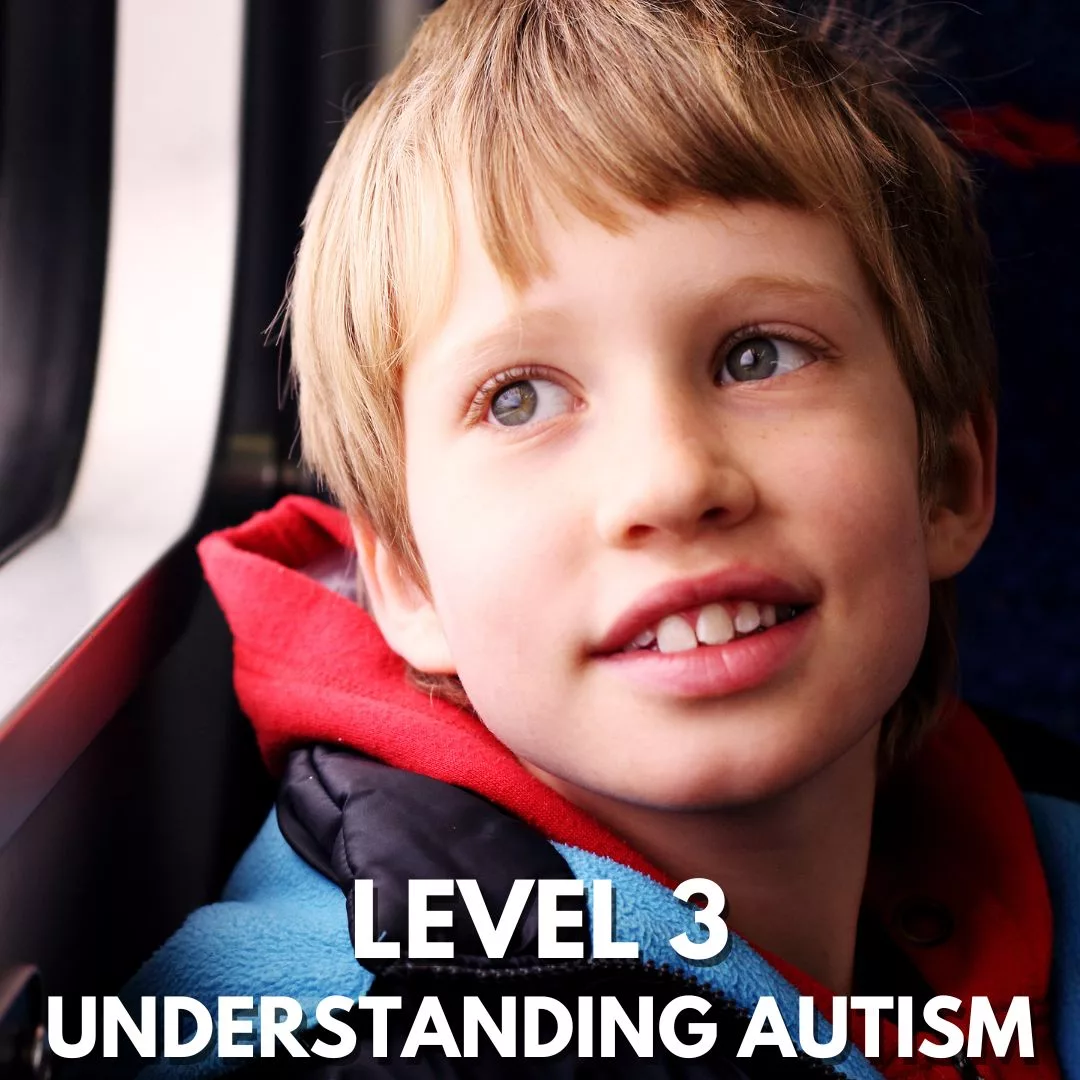
If this topic speaks to you, you can explore the free Level 3 Certificate in Understanding Autism at My Free Course. Adults across England can learn through fully funded, accredited programmes designed to grow confidence and skills.
Why learners trust us:
- It is free for eligible adults in England.
- It is flexible so you can study at your own pace.
- It is recognised by UK colleges and employers.
- It is supported so tutors can help you every step of the way.
This course helps you understand different presentations of autism and how to support individuals more effectively.
Level 3 Certificate in Understanding Autism

Level 2 Certificate in Understanding Autism

Level 2 Certificate in Special Educational Needs and Disability
FAQs
Why is autism in girls often misunderstood?
Girls tend to mask traits and copy social cues. This can hide challenges and lead to late diagnoses.
How can I learn early signs in girls?
Look for sensory sensitivities, emotional overwhelm, focused interests, and social masking. The NHS offers clear guidance.
How can adults support autistic girls better?
Listen, be patient, and avoid assumptions. Predictable routines and clear communication help.
Why do many girls receive late diagnoses?
Social expectations often pressure girls to appear adaptable or quiet. This hides traits professionals rely on for early identification.
Where can I learn more about autism in the UK?
Visit the National Autistic Society or the NHS website. You can also explore free online courses at MyFreeCourse.co.uk.
Reflection
Thank you for sharing this Strictly Come For Matcha moment with me. If you have made it this far, I hope this conversation has given you space to breathe and see this topic with more clarity. Learning about a revolutionary understanding of autism in girls is not something you rush through. It takes time, empathy, and a willingness to unlearn ideas you may have grown up with.
Sometimes learning about autism in girls feels like holding a mirror up to the world and noticing patterns you never saw before. You begin to understand friends differently. You rethink memories from childhood. You see how much strength sits behind the quiet resilience so many autistic girls develop while trying to fit into spaces that were not designed for them. This understanding shapes how you move through life. It teaches you to slow down, pay attention, and meet people where they are. Most of all, it reminds you that learning is an ongoing journey, one that grows with you over time.
You might feel emotional, curious, confused, or relieved right now. All of those feelings are valid. Growth often starts in moments when something finally makes sense. Every small fact you learn brings you closer to understanding the lives behind these stories, whether it is your own life or someone you care about.
This topic reminds us that learning is not only about qualifications. It is about becoming softer with ourselves, more aware of the world, and more supportive of the people who move through it differently. That is the real purpose of adult learning. It helps you grow in ways that build confidence and strengthen your sense of community.
So keep going. Keep reading, asking questions, and showing up for yourself. These small habits matter. Until next time, stay motivated, be kind to yourself, and keep sipping on growth.