Every October, the UK turns pink. Buildings light up. Communities rally together. It’s Breast Cancer Awareness Month, and it matters more than ever. Around 1 in 8 women in the UK will be diagnosed with breast cancer in their lifetime. That’s roughly 55,000 new cases every year. Behind each statistic is a real person: a mum, a friend, a neighbour. Many don’t know the warning signs. Others delay getting checked because they feel scared or unsure. Breast cancer doesn’t just affect one person. It impacts entire families and communities.
Early detection dramatically improves survival rates. When caught early, treatment is more effective and outcomes are far better. This October 2025, you can learn how to protect yourself and support others.
The World Health Organisation‘s theme says it perfectly: “Every Story is Unique, Every Journey Matters.” Whether you want to understand the signs, explore health and wellbeing courses for adults, or discover government funded healthcare courses in England, this guide will show you how.
You’ll learn practical steps for early detection, ways to get involved this October, and how free healthcare courses can help you build a rewarding career supporting others.
Table of Contents
Breast Cancer Awareness Month UK 2025: What You Need to Know
The History and Purpose
Breast Cancer Awareness Month started in 1985 as a week-long campaign. The American Cancer Society partnered with a pharmaceutical company to raise awareness. It quickly grew into a full month of activities every October. The pink ribbon became the official symbol in 1992. Advocates and breast cancer survivors pushed for a recognisable sign of hope and solidarity. Today, that ribbon is known worldwide.
The campaign has three main goals. First, it educates people about breast cancer symptoms and prevention. Second, it raises money for vital research into better treatments. Third, it supports people living with breast cancer and their families. Every October, communities across the UK come together for education, fundraising, and advocacy.
Why October 2025 Matters
This year’s campaign is more important than ever. In England, around 55,000 women are diagnosed with breast cancer each year. Men can develop it too, though it’s less common. The good news? Survival rates are improving. When breast cancer is caught early, the five-year survival rate reaches 99%. Better treatments and earlier detection have helped lower death rates over the past few decades. October 2025 also highlights the theme
“Every Story is Unique, Every Journey Matters.” This reminds us that behind every statistic is a real person. Whether you’re exploring Level 2 Certificate in Understanding Cancer Support or simply learning the warning signs, your involvement matters. Understanding health literacy empowers people with knowledge that saves lives.
NHS Breast Screening Programme: Know the Signs
Know the Signs
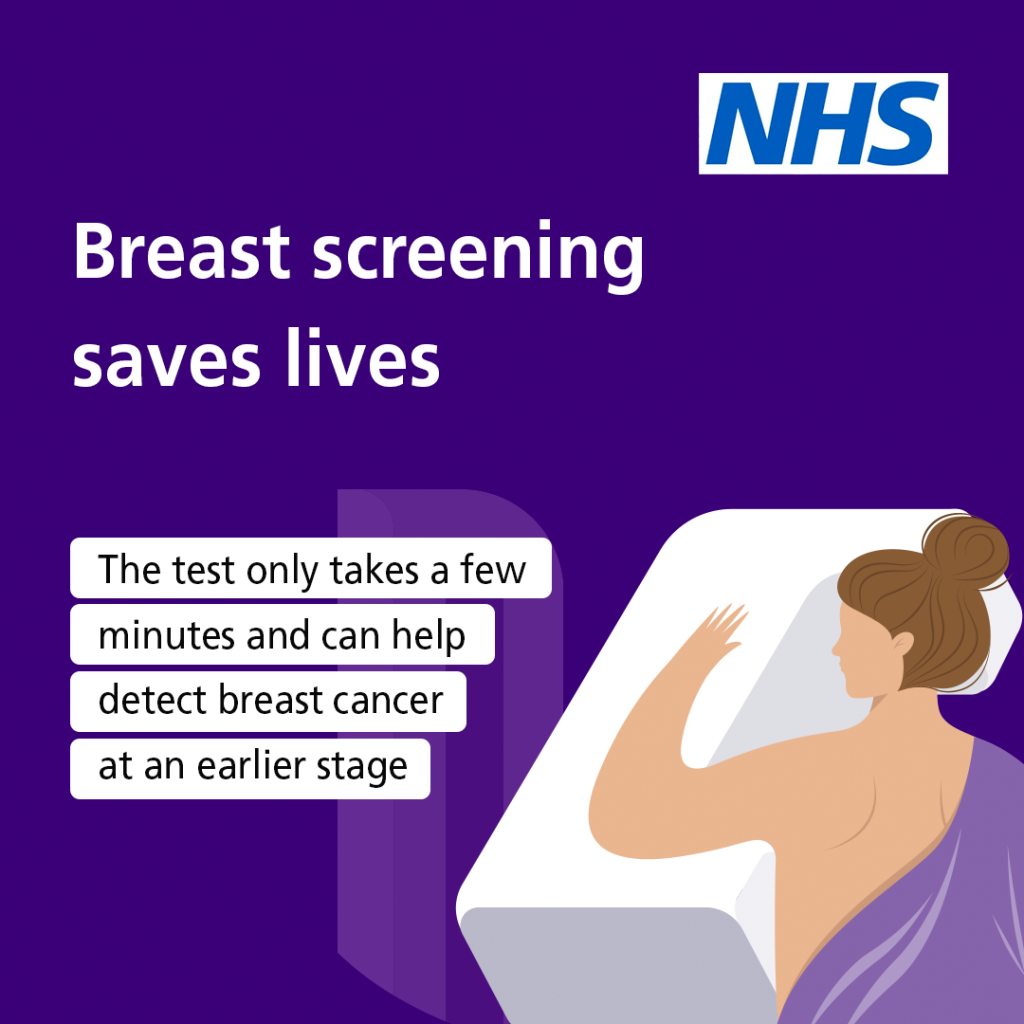
Catching breast cancer early makes treatment far more effective. The NHS launched a major campaign in 2025 to boost screening attendance. They estimate that better screening could detect over 7,500 additional breast cancers at earlier, more treatable stages. Common symptoms to watch for include a lump in your breast or armpit, changes in breast size or shape, dimpling of the skin, fluid leaking from the nipple, or a rash around the nipple. Any of these changes need checking.
Don’t wait if you notice something unusual. Book an appointment with your GP straight away. Early doesn’t always mean obvious. Sometimes breast cancer shows no symptoms at all, which is why screening matters so much.
The NHS breast screening programme invites women aged 50 to 71 for mammograms every three years. If you’re at higher risk, you might be invited earlier. Women who attend their first screening are more likely to keep going back and have cancers detected at earlier stages.
Self-Examination Basics
Checking your breasts regularly helps you know what’s normal for you. Get to know how your breasts usually look and feel. Check them once a month, ideally a few days after your period ends. Look at your breasts in the mirror with your arms by your sides, then raised above your head. Feel each breast and armpit area using the flat of your fingers in a circular motion.
Do this lying down and standing up. Early detection leads to better outcomes. When caught at a localised stage, survival rates reach 99%. Research shows that skipping screenings leads to more advanced diagnoses and poorer outcomes. Breast Cancer Now offers detailed guides on self-examination techniques. Learning through health and wellbeing courses gives you confidence to spot changes early.
How You Can Get Involved This October

Fundraising and Charity Events
October offers countless ways to make a difference. Wear It Pink Day 2025 invites everyone to don pink clothing and raise money for breast cancer charities. It’s simple, fun, and brings communities together. Local walks and runs happen across England throughout the month. These events raise funds whilst celebrating survivors and remembering those we’ve lost. Check Cancer Research UK, Breast Cancer Now, and Macmillan Cancer Support websites for events near you. Can’t attend in person? Virtual fundraising works brilliantly too. Host an online quiz night, organise a virtual bake sale, or set up a sponsored challenge. Coffee mornings, prize draws, and social media campaigns all help raise awareness and funds for vital research.
Supporting Others
If someone you know has breast cancer, your support means everything. Listen without trying to fix things. Offer practical help like cooking meals, doing school runs, or simply being there. Volunteering with cancer charities is another powerful way to help. Many organisations need people for support services, education programmes, and fundraising events. You could even train as a peer supporter through the Level 2 Certificate in Understanding Cancer Support course, which teaches you about cancer, its treatment, and how to support patients and families. Macmillan Cancer Support offers training programmes that teach you valuable skills whilst helping others. These opportunities connect you with people who understand the journey firsthand.
Workplace Initiatives
Bring awareness to your workplace this October. Organise a lunch-and-learn session about breast health. Set up a team fundraiser or sponsor a colleague taking part in a charity walk. Create a supportive environment by sharing information about screening and early detection. Encourage open conversations about health. Simple actions like wearing pink on Fridays or setting up a donation box make a real impact. The Level 2 Certificate in Awareness of Mental Health Problems can help you understand how to support colleagues emotionally during difficult times. Together, workplaces can raise significant funds whilst building compassionate, informed communities.
Building a Career in Healthcare and Support
Government-Funded Training Opportunities
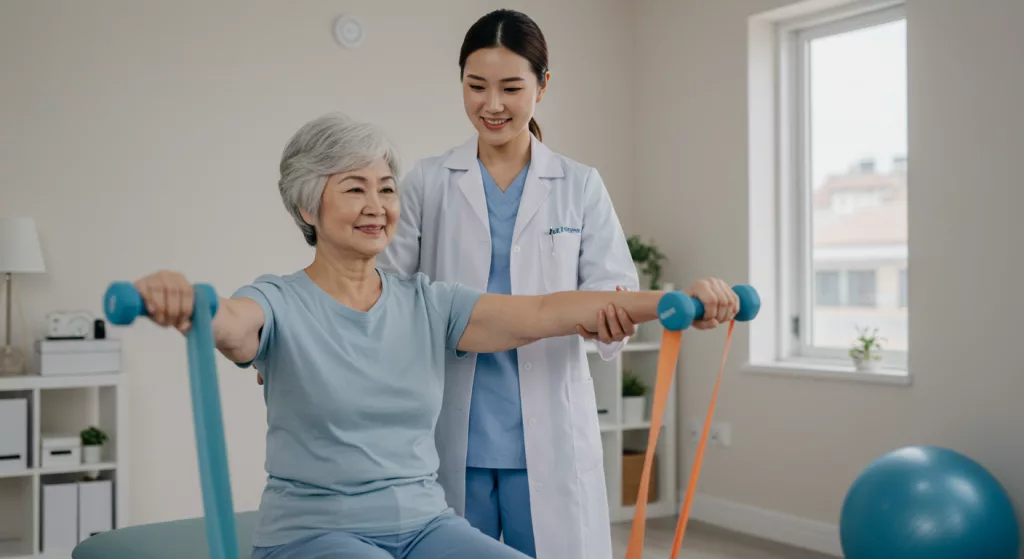
Breast Cancer Awareness Month might inspire you to make a real difference in people’s lives. The good news? You don’t need thousands of pounds to start a healthcare career. Level 2 and Level 3 healthcare courses are available completely free for adults aged 19 and over in England. If you’re eligible, there are no upfront costs. These government funded courses cover everything from basic care certificates to advanced diplomas in health and social care.
The Level 2 Certificate in Understanding Cancer Support is directly relevant if you want to understand cancer, its treatment, and how to support patients and families through their journey. This qualification gives you the knowledge and confidence to make a real difference. The government is investing heavily in training the next generation of healthcare workers. Plans include training thousands more nursing associates, advanced practitioners, and support workers over the coming years. This means real job opportunities waiting for you once you qualify.
Career Paths That Make a Difference
Healthcare careers offer diverse pathways to suit your interests and skills. The Level 2 Certificate in Preparing to Work in Adult Social Care opens doors to roles supporting people with health needs in hospitals, care homes, and community settings. Support worker training prepares you to assist people through their toughest moments. You could work in cancer care, mental health, elderly care, or paediatric services. Each role makes a genuine difference every single day.
The Level 2 Certificate in Awareness of Mental Health Problems or Level 2 Certificate in Mental Health First Aid teaches you to support people emotionally during and after diagnosis. This is vital for patients, survivors, and their loved ones who are coping with the emotional impact of cancer.
Understanding nutrition also plays a crucial role in cancer prevention and recovery. The Level 2 Certificate in Understanding Nutrition and Health helps you learn about maintaining a healthy lifestyle, which can reduce cancer risk and support overall wellbeing.
Real Impact: Why Healthcare Careers Matter
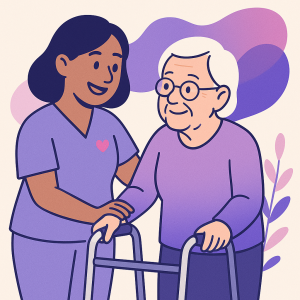
Imagine supporting cancer patients and survivors through their journey. Your compassion could help someone through chemotherapy appointments, recovery, or adjusting to life after treatment. Healthcare careers offer brilliant career progression opportunities for women over 35. Many people successfully change careers later in life. Your life experience, empathy, and maturity become valuable assets in caring roles.
Flexible learning fits around busy lives. Study online, attend evening classes, or choose apprenticeships that pay you whilst you learn. The NHS and training providers offer mentorship, work experience, and clear employment pathways.
With an ageing population and rising demand for mental health support, healthcare jobs are stable and growing. You’ll build skills that matter, work in rewarding roles, and know you’re making your community a better place. Starting with adult education healthcare courses funded by the government means you can begin your journey without financial barriers.
Mental Health and Wellbeing During Awareness Month

Looking After Yourself
Breast Cancer Awareness Month can stir up difficult emotions. Pink ribbons and awareness campaigns are everywhere. For some people, this triggers health anxiety or worry about their own risk.
It’s completely normal to feel concerned. However, constant worry affects your mental health and wellbeing. If you’re feeling anxious, talk to your GP. They can arrange screening if appropriate and offer reassurance.
Remember that awareness campaigns aim to empower, not frighten. Focus on what you can control: learning the signs, attending screening when invited, and maintaining healthy habits.
October 10th is World Mental Health Day, falling right in the middle of Breast Cancer Awareness Month. This reminds us that physical and mental health are deeply connected. The Level 2 Certificate in Awareness of Mental Health Problems can help you understand this connection better, whether for yourself or to support others.
Supporting Loved Ones
If someone close to you has breast cancer, you might struggle with what to say or do. Here’s the truth: your presence matters more than perfect words.
Listen without trying to fix everything. Let them express fear, anger, or sadness without judgement. Ask how they’d like to be supported rather than assuming what they need.
Practical help often speaks loudest. Offer specific assistance like preparing meals, doing shopping, or accompanying them to appointments. Small gestures show you care. Being able to having difficult conversations takes courage. Be honest but gentle. Follow their lead about how much they want to discuss their diagnosis and treatment. Macmillan Cancer Support provides excellent guidance on supporting loved ones.
Self-Care for Carers

Caring for someone with breast cancer is emotionally and physically draining. You can’t pour from an empty cup. Make time for activities that restore you. Whether it’s walking, reading, or meeting friends, protecting your own wellbeing isn’t selfish, it’s essential. Join support groups for carers. Talking with others who understand helps reduce isolation. Macmillan and Cancer Research UK offer counselling and support specifically for family members and carers.
The Level 2 Certificate in Mental Health First Aid teaches valuable stress management techniques and how to support others during mental health crises. These skills give you tools to cope with challenging times whilst supporting your loved one effectively.
Taking Action: Your Next Steps
This October
Don’t let this month pass without taking action. Small steps today can save lives, including your own.
Book your screening appointment if you’re eligible. The NHS invites women aged 50 to 71 for mammograms every three years. If you’ve missed appointments or haven’t been screened yet, contact your GP surgery to arrange it. Early detection truly saves lives.
Learn self-examination techniques this month. Spend five minutes getting to know how your breasts normally look and feel. Check them once a month. Knowing what’s normal for you means you’ll spot changes quickly. Breast Cancer Now provides helpful video guides.
Get involved in awareness activities happening across England. Join a local charity walk, wear pink to work, or organise a fundraiser with friends. Every contribution, big or small, supports vital research and patient services. Share information with friends and family. Send them this article. Start conversations about breast health. Breaking the silence around breast cancer helps everyone feel more comfortable discussing symptoms and seeking help.
Beyond October

The conversation shouldn’t stop when November arrives. Stay informed about women’s health throughout the year. Follow trusted sources like the NHS, Cancer Research UK, and Breast Cancer Now for updates on screening guidelines, new treatments, and prevention strategies.
Consider exploring funded healthcare courses if you’re interested in a career change. The Level 2 Certificate in Understanding Cancer Support offers a perfect starting point for anyone wanting to work in cancer care. The Level 2 Certificate in Understanding Nutrition and Health helps you understand prevention and healthy lifestyles that reduce cancer risk.
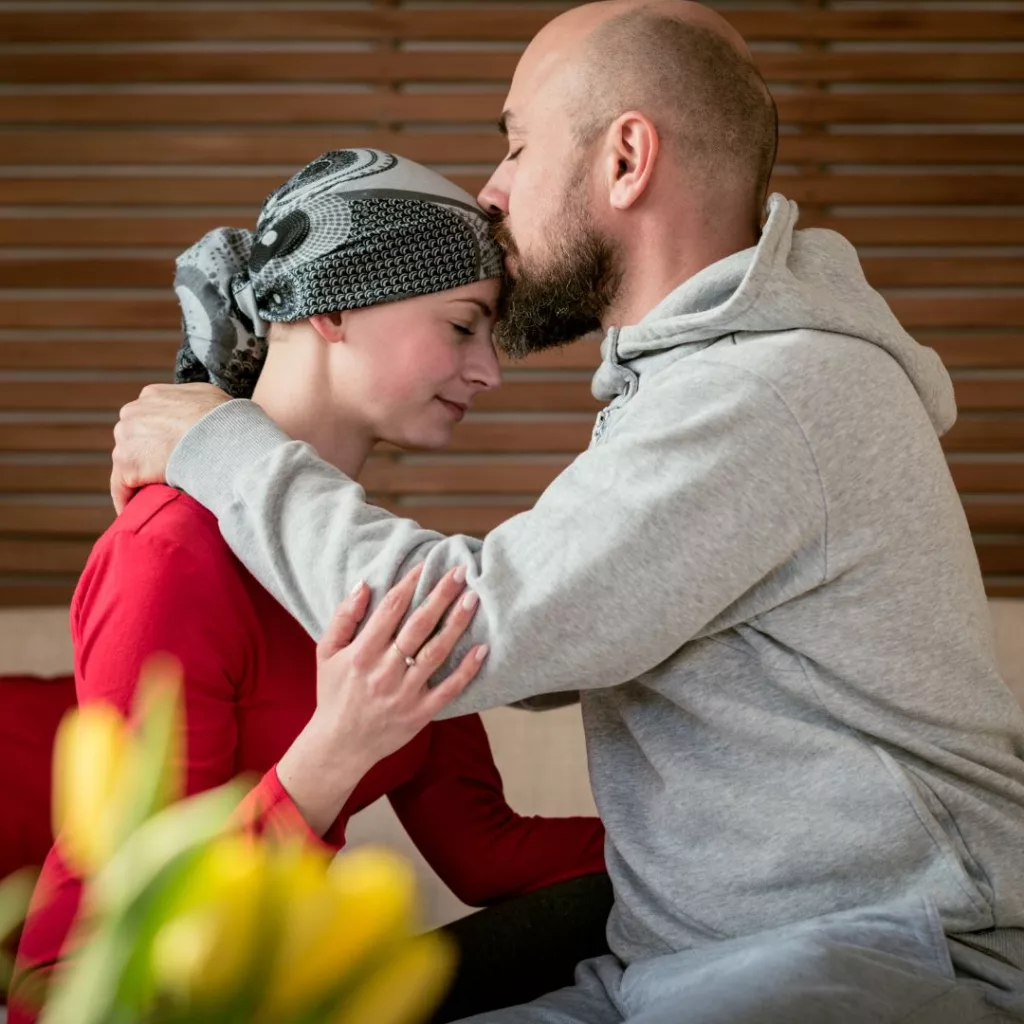
Level 2 Certificate in Understanding Cancer Support
Level 2 Certificate in Nutrition and Health
Government funded healthcare courses offer pathways into caring professions where you can support others every day. Whether you’re 25 or 55, it’s never too late to train for meaningful work. Career training programmes connect your passion for helping others with practical qualifications. Keep learning, keep sharing, and keep the conversation going year-round.
The World Health Organisation aims for 60% of breast cancers to be diagnosed early, with treatment starting within 60 days. Your actions, screening, awareness, advocacy, help reach these life-saving targets. Make your next step count.
Final Thoughts

October may be Breast Cancer Awareness Month, but the actions you take today matter all year round. You now know the warning signs to watch for, the importance of regular screening, and how early detection dramatically improves survival rates. Knowledge truly is power.
Understanding your body, recognising changes early, and attending NHS screening appointments can save your life. Sharing what you’ve learned with friends and family creates a ripple effect of awareness that protects entire communities.
Upskilling through government funded healthcare courses at My Free Course opens doors to meaningful careers where you can support cancer patients and survivors every single day. Whether you choose the Level 2 Certificate in Understanding Cancer Support, the Level 2 Certificate in Preparing to Work in Adult Social Care, or courses in mental health and nutrition, you’ll gain valuable qualifications that make a real difference.
Take one small step today. Book that screening appointment. Check your breasts. Share this information with someone you love. Or explore the free Level 2 healthcare courses available to adults in England. Every journey begins with a single action. Your decision to learn, to check, to train, or to support could change someone’s life, perhaps even your own.
Ready to explore funded healthcare courses that could launch your caring career? We’re here to help you navigate the options available. Contact us at [email protected] for additional information and signposting to the right opportunities for you.
Together, we can create a future where breast cancer is detected earlier, treated more effectively, and where compassionate, skilled professionals support every person through their unique journey. Make today the day you take action.

Important Disclaimer
The information provided in this blog post is intended as general guidance only. My Free Course should not be held accountable for any decisions an individual makes after reading this content. For accurate, up-to-date information about government funded courses, eligibility requirements, and application processes, please consult the official UK Government website.
This blog does not provide medical advice. If you have concerns about breast cancer, symptoms, screening, or your health, please seek proper medical guidance from trusted sources such as:
- Macmillan Cancer Support: Expert cancer information and support
- NHS England: Official health guidance and screening information
- Cancer Research UK: Research, information, and support
- Breast Cancer Now: UK’s largest breast cancer charity
- Your local General Practitioner (GP): Personal medical advice and referrals
Always consult qualified healthcare professionals for medical concerns. Early detection and professional medical care save lives.
For questions about funded courses and training opportunities, email us at [email protected] or visit www.myfreecourse.co.uk
FAQs
1. When is Breast Cancer Awareness Month 2025?
Breast Cancer Awareness Month takes place throughout October every year, including 2025. The campaign runs for the entire month with various events, fundraisers, and awareness activities happening across England and the UK. Special dates include World Mental Health Day on October 10th and Metastatic Breast Cancer Awareness Day on October 13th.
2. Who is eligible for NHS breast screening in England?
Women aged 50 to 71 are automatically invited for NHS breast screening every three years. If you’re at higher risk due to family history or genetic factors, you may be invited for screening earlier. Men can also develop breast cancer and should see their GP if they notice any symptoms. Contact your GP surgery if you haven’t received your screening invitation.
3. What are the early warning signs of breast cancer?
Common signs include a lump in your breast or armpit, changes in breast size or shape, dimpling or puckering of the skin, fluid leaking from the nipple (especially if it contains blood), a rash around the nipple, or changes in nipple appearance. Any unusual changes should be checked by your GP straight away, even if you’ve recently had a clear screening. Visit the NHS website for comprehensive information on symptoms.
4. Are government funded healthcare courses really free?
Yes, Level 2 and Level 3 healthcare courses at My Free Course are completely free for eligible adults aged 19 and over in England. There are no upfront costs if you qualify. Eligibility depends on factors like your age, current qualifications, employment status, and residency. Check the official UK Government website or contact us at [email protected] for specific eligibility requirements.
5. What healthcare careers can I pursue after completing funded courses?
Funded healthcare courses open pathways to roles including Healthcare Support Worker, Care Assistant, Mental Health Support Worker, Community Care Worker, and Nursing Associate. The Level 2 Certificate in Understanding Cancer Support specifically prepares you for roles supporting cancer patients. The Level 2 Certificate in Preparing to Work in Adult Social Care opens doors to broader caring roles. Many positions offer clear progression routes with additional training and experience.
6. How often should I check my breasts for changes?
Check your breasts once a month, ideally a few days after your period ends when breasts are less tender. If you no longer have periods, choose the same date each month. Regular checking helps you know what’s normal for you, making it easier to spot changes early. Remember that self-examination doesn’t replace NHS screening mammograms. Breast Cancer Now offers video guides on self-examination.
7. Can men get breast cancer?
Yes, although it’s much less common. Around 390 men are diagnosed with breast cancer in the UK each year. Men should check for lumps or changes in their chest area and see their GP immediately if they notice anything unusual. Men’s Breast Cancer Awareness Week also takes place during October to raise awareness. Learn more from Cancer Research UK.
8. How can I support someone diagnosed with breast cancer?
Listen without trying to fix everything. Offer specific, practical help like cooking meals, doing school runs, or attending appointments with them. Respect their wishes about discussing their diagnosis. Small gestures matter, sending texts, dropping off groceries, or simply being present. Consider training through the Level 2 Certificate in Understanding Cancer Support or Level 2 Certificate in Mental Health First Aid to provide structured, informed support. Macmillan Cancer Support offers excellent guidance.
9. What’s the survival rate for breast cancer in the UK?
When breast cancer is detected at an early, localised stage, the five-year survival rate is 99%. Overall survival rates have improved significantly due to better screening, earlier detection, and more effective treatments. This highlights why attending NHS screening appointments and knowing the warning signs is so important for catching cancer early.
10. Where can I find breast cancer awareness events near me in October?
Check websites for major cancer charities like Cancer Research UK, Breast Cancer Now, and Macmillan Cancer Support. They list local walks, runs, and fundraising events across England. Your local hospital, community centres, and workplaces often organise awareness activities too. Social media hashtags like #WearItPink and #BreastCancerAwarenessMonth show events happening throughout October.
Need more information about funded courses or career opportunities in healthcare?
Email us at [email protected] or visit www.myfreecourse.co.uk. We’re here to help you take the next step.