Looking for fully funded courses for adults in England? You’re in the right place. If you’re 19 or older, government-funded Level 2 and Level 3 qualifications could transform your career without costing you a penny. Let’s be honest, going back to education as an adult feels daunting. Between work, family, and everything else on your plate, finding the time seems impossible. And don’t even get me started on the cost. The assumption that training means expensive fees and exhausting commutes is enough to put anyone off before they’ve even started.
But here’s what many people don’t realise: there’s a whole world of government-funded training available right in your local area. I’m talking about proper qualifications (Level 2 and Level 3 courses) that can genuinely change your career prospects, often at absolutely no cost to you if you’re eligible.
This guide will walk you through what’s available, who qualifies, and how to actually make it work around your busy life.
QUICK ANSWER
Fully funded courses for adults in England are Level 2 and Level 3 qualifications with tuition costs covered by the Adult Skills Fund. Eligible learners aged 19 and over living in England pay no tuition fees. Courses are delivered online through accredited partner colleges and result in nationally recognised NCFE or TQUK certificates.
Table of Contents
Adult Education Opportunities Near Me: Why Local Learning Makes Sense

When most people think about going back to college, they picture long journeys across town or even to another city. But some of the best learning happens much closer to home, and there are solid practical reasons for this.
Why studying locally makes practical sense:
Save Time & Money:
- No two-hour commutes eating into your schedule
- More time for family, work, or yourself
- Save on travel costs
Better Support:
- Evening classes and weekend sessions available
- Learn alongside people from your community
- Training focused on local employer needs
- Tutors who understand adult learner challenges
Local colleges and training centres have got pretty good at understanding what adult learners actually need. Many now offer flexible learning options: evening classes, weekend sessions, or fully funded courses. Education that bends around your schedule, rather than the other way round.
What’s more, local courses often focus on skills that employers in your area are actually looking for. You’re not training for some generic, nationwide market. You’re upskilling for opportunities on your doorstep.
There’s also something valuable about learning alongside people from your own community. Your classmates will likely face similar challenges, understand the local job market, and can become part of your support network. That connection shouldn’t be underestimated when you’re trying to stick with something challenging.
QUICK ELIGIBILITY CHECK
✓ Age 19 or older
✓ Living in England
✓ No existing Level 3 qualification (or low income/unemployed)
✓ Result: Likely eligible for FREE Level 2 & 3 courses
Understanding Funded Courses In Level 2 and Level 3
Right, let’s get to the bit everyone wants to know about. The money. Or rather, the lack of money you might need to pay. If you’re 19 or older and living in England, the government provides funding for certain courses. “Funded” essentially means they cover all or most of the fees if you meet the eligibility criteria. For many people (particularly if you’re unemployed, on a low income, or don’t already have a Level 3 qualification), these courses can be completely free.
Funded Level 2 Courses Near Me
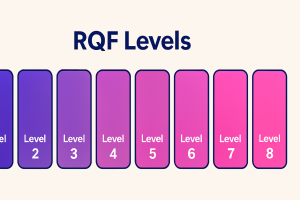
Level 2 qualifications sit at roughly GCSE level. They’re brilliant if you need to brush up on core skills like
English, Maths, or digital literacy. Maybe you left school without great grades, or it’s been years since you studied and you want to build your confidence before tackling something more advanced. Level 2 courses give you that solid foundation.
Level 3 is where things get really interesting. Think A-Level equivalent. These qualifications carry serious weight.
They’re often what you need to apply to university, or to move into skilled trades and technical roles that pay considerably better.
Getting a Level 3 under your belt can genuinely transform your career options. Whether you’re looking at higher education or want to jump straight into a better job, this level opens doors that might have seemed closed before.The eligibility criteria vary depending on your circumstances and what you’ve studied before, but it’s always worth checking with your local provider. Many people are surprised to discover they qualify when they assumed they wouldn’t.
Flexible Learning Options UK: Making Study Work Around Your Life
Starting any course as an adult means figuring out how to fit it into an already full life. The key isn’t working harder. It’s working smarter.
Match the course to how YOU learn:
- Online self-pacers: Check if materials are available 24/7 to study when it suits you
- Visual learners: Look for courses with workbooks, diagrams, and written materials
- Audio learners: Ask about lecture-based or discussion-heavy formats
- Hands-on learners: Choose practical, skills-based courses with real-world tasks
- Online self-pacers: Check if materials are available 24/7 to study when it suits you
Protecting Your Wellbeing While Studying
Your wellbeing genuinely matters throughout this process. Studying takes effort, and you need to be realistic about that. Schedule proper breaks just as carefully as you schedule study time. Find a quiet spot away from home distractions (maybe your local library or even a favourite bench in the park) where you can properly focus.
Using Natural Milestones to Stay Motivated
Use normal life rhythms to pace yourself. Aim to finish a tough module by the next bank holiday, or take a complete study break during major events. Setting these kinds of natural milestones helps you stay motivated without burning out. And yes, burnout is absolutely a real thing for adult learners. Be kind to yourself.
Career Change Courses England: Your Next Steps
You’ve now got the information you need to take this forward. The pathway to a better job or further education doesn’t require moving house or going into debt. It’s about using the funded resources that already exist in your community.
The courses are there. The funding is available. What’s needed now is just taking that first step. Do a quick search for what’s available near you, or pick up the phone to your local college. Level 2 and Level 3 courses are available, funded, and ready for you to start.
Don’t overthink it. Just start.
Level 2 Certificate in Understanding Retail Operations
Disclaimer: This content is for informational purposes only and does not constitute formal advice. Course availability, funding criteria and eligibility requirements are subject to change. Please visit My Free Course or contact us directly for the most up-to-date information.
For extra help or questions, please contact us at [email protected].
My Free Course supports you with fully funded qualifications, supportive tutors and flexible learning, so you can start helping others, one step at a time.
Found this helpful? There’s so much more to discover. Below, you’ll find more guides and tips designed to support your learning goals and give you even greater clarity as you explore new opportunities.


FAQs
Who can apply for funded courses in England
You need to be at least 19 years old and legally resident in England. Specific funding eligibility depends on your circumstances, income, and existing qualifications.
What exactly is a Level 2 qualification?
Level 2 is roughly equivalent to good GCSE passes. It’s ideal for building core skills and confidence before progressing to higher levels.
What does a Level 3 course involve?
Level 3 sits at A-Level equivalent. It’s substantial enough to use for university applications or to qualify for skilled, better-paid employment.
Are these courses genuinely free?
For many eligible adults (particularly those who are unemployed, on low incomes, or without existing Level 3 qualifications), yes, the fees are fully covered by government funding.
I already have some qualifications. Can I still get funding?
Possibly. Even with existing qualifications, you might still access funded Level 3 courses in priority skill areas. Check with local providers about your specific situation.
Can I study these courses online?
Yes, many providers offer online or hybrid options. You can often complete significant portions of the course from home.
How do I actually find courses near me?
Search for specific terms like “funded Level 2 courses near me” or contact your nearest further education college or adult learning centre directly. Most have advisors who can talk you through what’s available.
What are the advantages of studying locally?
You save travel time and money, reduce stress, and connect with other learners in your community who understand the local area and job market.
What do ‘flexible learning options’ mean in practice?
Courses offered at various times (evenings, weekends, or online) are designed to fit around existing work and family commitments rather than requiring you to reorganise your entire life.
Do I need strong Maths skills to start?
Not at all. Many Level 2 courses specifically focus on building up core skills like Maths and English from wherever you’re currently at. That’s the whole point: to help you develop these skills.
What’s the difference between Level 2 and Level 3 courses?
Level 2 and Level 3 courses differ in complexity. Level 2 is GCSE equivalent, while Level 3 is A-Level standard.