The UK’s care sector is expanding rapidly. With an ageing population, rising demand for home and community care, and the continued impact of the pandemic, the need for well-trained care workers has never been more urgent. Whether you’re new to health and social care or returning to it after a career break, the Care Certificate Online NHS freely is one of the best ways to gain essential skills, demonstrate your competence, and begin making a difference.
What’s more: eligible learners in England can access this training online and for free thanks to government funded courses available through platforms like My Free Course.
This guide explains what the NHS Care Certificate is, how it works, who it’s for, and how you can access it online with no tuition costs if you qualify.
Table of Contents
What Is the NHS Care Certificate and Who Needs It?
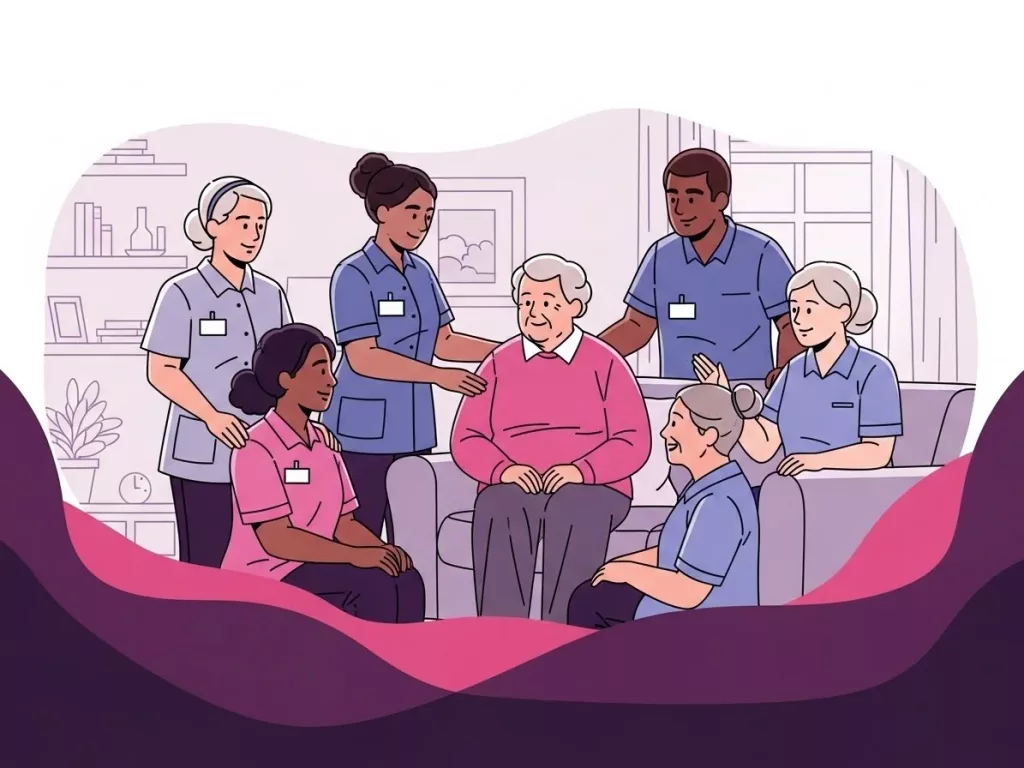
The NHS Care Certificate is a nationally recognised set of standards designed for non-regulated health and social care staff. It forms the foundation of induction for:
- Healthcare assistants
- Support workers
- Domiciliary carers
- Community care staff
- Care home workers
The certificate was developed jointly by Skills for Care, Health Education England, and Skills for Health to ensure that all frontline care staff share the same knowledge, behaviours, and attitudes required to deliver safe, compassionate care.
It is not a regulated qualification (like a Level 2 certificate), but it is widely required across the NHS and private care providers. Completing it is often a mandatory step in onboarding for new care staff.
Why the Care Certificate Matters in Today’s Health and Social Care Landscape
Post-COVID, the UK’s healthcare workforce is facing unprecedented strain. Staffing shortages, high turnover, and increased demand for care services have made formal induction and training more essential than ever.
The NHS Care Certificate provides:
- A consistent standard for entry-level care training
- Essential knowledge of safeguarding, infection control, and basic care practices
- A foundation for building confidence in new or returning care workers
- A tool for meeting CQC (Care Quality Commission) expectations for employers
In short: it protects both the client and the worker. And in today’s care settings, that protection is critical.
Can You Learn the Care Certificate Online?
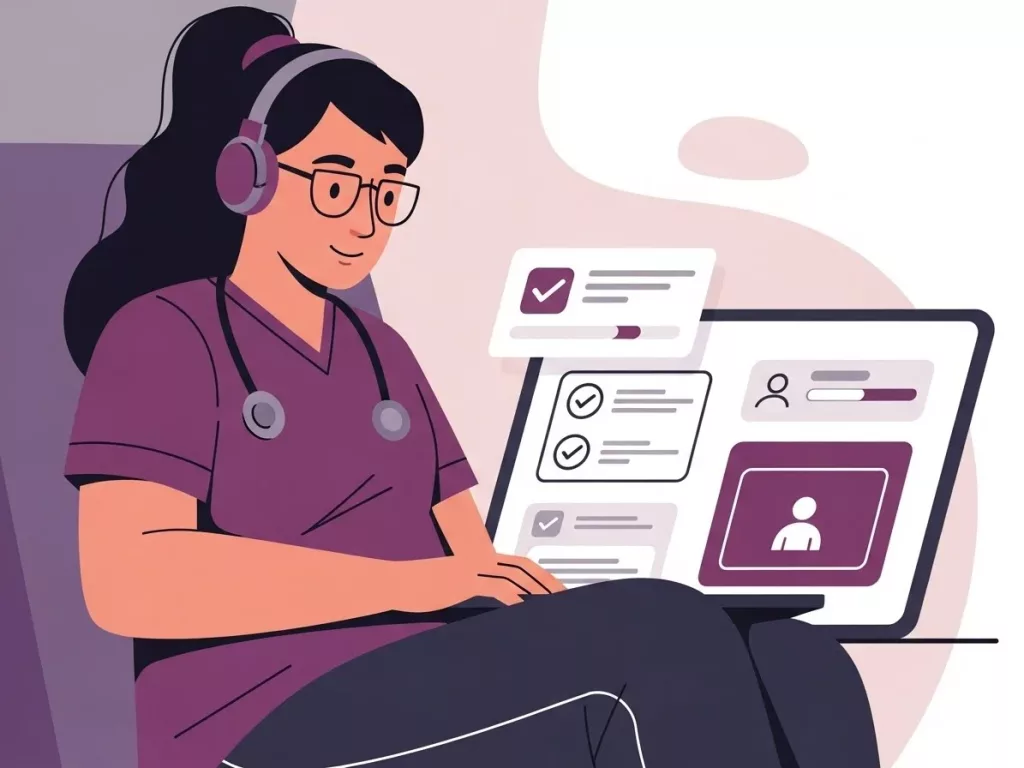
Yes. Many care providers and training organisations now offer the NHS Care Certificate in a fully online format, making it more accessible to adult learners juggling other commitments.
Online Delivery Typically Includes:
- Interactive e-learning modules
- Knowledge assessments (quizzes, short answers)
- Reflective activities and case studies
- Supervisor observation templates (if you are employed)
Depending on your provider, you can complete the knowledge-based elements online and then demonstrate the practical aspects either in a current job or through simulated exercises or assignments.
Duration:
Most learners complete the Care Certificate in 4 to 12 weeks, depending on pace, experience and time available.
What Does the Care Certificate Cover?
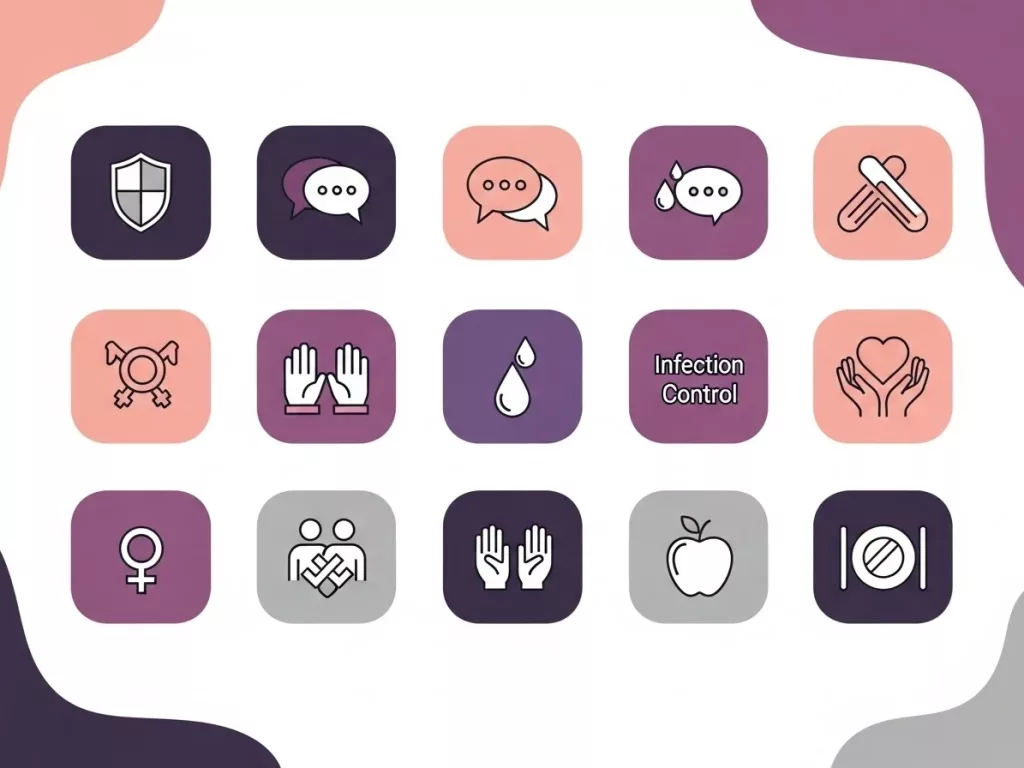
The certificate is based on 15 core standards. These include:
- Understanding your role
- Your personal development
- Duty of care
- Equality and diversity
- Working in a person-centred way
- Communication
- Privacy and dignity
- Fluids and nutrition
- Awareness of mental health, dementia and learning disability
- Safeguarding adults
- Safeguarding children
- Basic life support
- Health and safety
- Handling information
- Infection prevention and control
Each standard builds a critical part of your care toolkit, from recognising abuse and supporting wellbeing to understanding boundaries and safe practices.
Is the NHS Care Certificate Free? Understanding Funding Pathways
The Role of the Adult Education Budget (AEB)
The Adult Education Budget (AEB) is a government fund used to support the education and training of adults in England. It is administered by the Education and Skills Funding Agency (ESFA).
The AEB covers the cost of many Level 2 qualifications and training programmes that align with employability and sector demand including health and social care training aligned with or complementing the NHS Care Certificate.
How This Relates to the Care Certificate
While the Care Certificate itself is not an RQF-regulated qualification, many Level 2 courses available through My Free Course contain units or learning outcomes that directly support or align with the Care Certificate standards. These include:
The following courses are some of the most popular and impactful Level 2 care qualifications offered through My Free Course:
- Level 2 Certificate in Awareness of Mental Health Problems – great for social care or health services roles.

Level 2 Certificate in Awareness of Mental Health Problems
- Level 2 Certificate in Preparing to Work in Adult Social Care – opens doors to care assistant positions.

Level 2 Certificate in Preparing to Work in Adult Social Care
- Level 2 Certificate in Nutrition and Health – useful for roles in wellbeing, fitness, and care sectors.

Level 2 Certificate in Nutrition and Health
If you’re pursuing a career in care and need the NHS Care Certificate, these courses are highly relevant, funded, and deliverable online.
Fully Funded vs Partially Funded Scenarios
Most adult learners in England are eligible for fully funded Level 2 courses, especially if:
- You are aged 19 or older
- You live in England
- You have settled or pre-settled status (or similar residency)
- You do not already hold a Level 2 in the same subject
If you meet these criteria, you can likely access a free course that covers NHS Care Certificate-related content.
Some learners may be offered co-funded options if they don’t fully meet funding rules. These still offer significantly reduced fees.
Eligibility Requirements for a Care Certificate Online NHS Free Course
To access a free Level 2 course that supports the NHS Care Certificate standards through My Free Course, you must:
- Be 19 or over as of 31st August of the current academic year
- Be living in England
- Have settled or pre-settled immigration status (or equivalent)
- Not already hold a full Level 2 qualification in the same subject
You may also need to:
- Provide photo ID (e.g. passport or driving licence)
- Provide proof of address (utility bill, bank statement, etc.)
- Show eligibility for Universal Credit or similar, if seeking a funded pathway under unemployment or low-income support
Regions That Offer Fully Funded Health and Care Training
The Adult Education Budget is devolved in some areas, meaning funding is administered locally rather than nationally. This affects course availability.
Areas That Typically Offer Full Funding:
- Greater London
- West Midlands
- Greater Manchester
- Liverpool City Region
- West of England Combined Authority
- North of Tyne Combined Authority
If you live outside these devolved regions, funding is still often available but processed through national frameworks.
How to Check If You Qualify for a Free NHS Care Certificate
Using Postcode Tools and Provider Portals
You can confirm funding eligibility by:
- Using a postcode checker on platforms like My Free Course
- Submitting an eligibility enquiry form
- Contacting the support team via email or live chat
They will assess your location, age, residency status, and prior qualifications to determine what you qualify for.
Don’t assume you’re ineligible My Free Course walks you through the process step by step.
How to Apply for a Free Care Certificate Course
The process is simple, clear, and supported every step of the way.
- Visit My Free Course and browse care-related Level 2 options
- Use the postcode checker to confirm availability in your area
- Submit your application online (takes about 20 minutes)
- Upload required documents (photo ID, proof of address, etc.)
- Wait for approval and course onboarding (usually within 5–10 days)
Once accepted, you can begin your course online and work through it at your own pace.
What Makes the NHS Care Certificate Ideal for New or Returning Care Workers?
The Care Certificate provides a foundation for safe, compassionate care. It is ideal for:
- People entering care work for the first time
- Those returning after a career break
- Career switchers moving from retail or hospitality to healthcare
It supports:
- Meeting employer expectations
- Providing continuity of care across roles
- Giving new staff the confidence to handle real-world care scenarios
What’s the Difference Between the NHS Care Certificate and Level 2 Courses?
| Care Certificate | Level 2 Course |
|---|---|
| Not a formal qualification | RQF-regulated qualification |
| Internal training required by employers | Nationally recognised and portable |
| Usually workplace-based | Can be completed online, independently |
| Covers core care standards | Covers in-depth knowledge of specialist topics |
While the NHS Care Certificate may be required on-the-job, Level 2 courses provide formal credentials that support longer-term career progression.
Choosing the Right Provider: What to Look for
Not all care training providers are created equal. When looking for a course that supports NHS Care Certificate training, check for:
- Accreditation: Ensure it is delivered by a recognised awarding body (e.g. NCFE, TQUK, CACHE)
- Government funding: Confirm if courses are covered under the AEB
- Tutor support: Look for human support, not just pre-recorded content
- Flexibility: Courses should be fully online, self-paced and accessible on mobile devices
- Clear outcomes: You should understand what you will gain, how it maps to real jobs, and what next steps are available
My Free Course works with ESFA-approved providers and only lists accredited, fundable, high-quality learning programmes.
Your Step-by-Step Roadmap to Enrolment
- Choose your course: Find a Level 2 care course that aligns with Care Certificate goals
- Use the postcode checker to assess funding eligibility
- Apply online through My Free Course
- Upload documentation for identity and residency
- Wait for confirmation and get your login details
- Begin your course at your own pace with tutor support
Training That Opens Doors and Costs Nothing
Starting a career in care doesn’t require thousands of pounds or years of prior experience. With the NHS Care Certificate and complementary free Level 2 courses, you can build confidence, skills and credentials that the UK care sector genuinely needs.
Whether you’re looking to enter the workforce, upskill for your current role, or retrain into a meaningful career, government funded courses through My Free Course offer a credible, supported and flexible way forward.
Found this helpful? There’s so much more to discover. Below, you’ll find more guides and tips designed to support your learning goals and give you even greater clarity as you explore new opportunities.


Learn more and apply today at www.myfreecourse.co.uk
Disclaimer: This content is for informational purposes only and does not constitute formal advice. Course availability, funding criteria and eligibility requirements are subject to change. Please visit MyFreeCourse.co.uk or contact us directly for the most up-to-date information.
For extra help or questions, please contact us at [email protected].
MyFreeCourse.co.uk supports you with fully funded qualifications, supportive tutors and flexible learning, so you can start helping others, one step at a time.
FAQs
1. What is the NHS Care Certificate and is it a qualification?
No, it is not a regulated qualification. It is an induction standard for care workers, recognised across the NHS and care sector.
2. Can I complete the care certificate online for free?
You can complete the learning portion online. Some funded Level 2 courses complement the Care Certificate and are fully funded if you’re eligible.
3. How long does it take to complete the care certificate?
Most learners complete it in 4–12 weeks depending on availability and format.
4. Is the care certificate accepted by all NHS employers?
Yes. It is widely accepted and often required for non-regulated care roles.
5. Do I need a job in care to take this course?
Not necessarily. Many online Level 2 courses aligned with Care Certificate standards can be completed independently and boost your employability.