Life feels overwhelming, doesn’t it? You’re juggling work, sorting the kids’ tea, worrying about bills, and somehow trying to keep everyone happy. By the time the weekend arrives, you’re exhausted. You know you should eat better, sleep more, and get your finances sorted, but who has the energy? The truth is, when you’re not eating properly, you feel drained. When you’re not sleeping well, everything feels harder. When money’s tight and you don’t have a plan, the stress keeps you awake at night. It’s a vicious cycle that affects your health, mood, and family.
Here’s the good news. These essential life skills are learnable. Even better? There are free, government-funded life skills courses in England designed specifically for adults like you who are 19 years old or over. Whether you’re looking for healthy eating on a budget in the UK or want proper guidance on wellbeing, help is available through free adult education life skills courses in England 2025.
Table of Contents
Why These Three Skills Matter for Your Well-being

These three skills (eating well, sleeping well, and budgeting) are connected in ways you might not realise. When money worries keep you up at night, you’re too tired to cook properly the next day. When you’re exhausted, you reach for expensive takeaways and sugary snacks instead of healthy eating on a budget UK options. When you’re not eating well, you feel even more drained and stressed. It’s a cycle that feeds itself.
Here’s the brilliant part: when you improve one area, the others get easier too. Sort out your budget, and suddenly you sleep better because you’re not lying awake worrying. Sleep better, and you have the energy to plan meals and make smart food choices. Eat better, and your body and mind work properly, helping you think clearly about money. Stress management through better sleep and nutrition isn’t just a fancy phrase, it’s real life.
The payoff is massive. You’ll have more energy to enjoy your weekends. You’ll feel less stressed about everything. Your health improves, which means fewer sick days and more time doing what you love. These aren’t luxuries for people with loads of spare time and money. They’re essential life skills training adults need to live well, no matter what’s in your bank account. And the best bit? You can start learning them this weekend.
Eat Well: Healthy Eating on a Budget

Meal Planning Made Simple
Let’s be honest, meal planning sounds boring. But it’s the secret weapon for how to meal plan on a budget UK 2025 without losing your mind. Start small. Pick just three or four recipes you already know how to make. Write down what ingredients you need. That’s it. You’ve just done simple weekly meal planning for busy people UK style. Once you’ve mastered those few meals, add one new recipe every week or two. Before you know it, you’ll have a proper rotation going.
Smart Shopping and Cooking
Shopping smart means your money goes further. Healthy eating on universal credit budget is absolutely possible when you know the tricks. Buy own-brand products, they’re often made in the same factories as fancy brands. Shop for seasonal fruit and veg because they’re cheaper and taste better. Grab frozen vegetables; they’re just as nutritious and won’t go off in your fridge.
Batch cooking to save money working adults UK swear by this method: cook a big pot of chilli, soup, or curry on Sunday, then freeze portions for busy weeknights. Cheap meal prep ideas for families England don’t have to be complicated. Think jacket potatoes with beans, pasta with tomato sauce and veg, or egg fried rice with whatever’s in your fridge.
Stock your cupboards with basics like rice, oats, pasta, tinned tomatoes, and dried beans. These staples are cheap, last ages, and form the base of countless meals. Eggs are brilliant value and packed with protein. Tinned or frozen fish gives you omega-3 without the fresh fish price tag. And don’t be afraid of meat-free meals a couple of times a week. Lentil bolognese or chickpea curry cost pennies but fill you up properly.
Getting Help and Learning More
You don’t have to figure this out alone. There are Level 2 nutrition and wellness courses free England programmes designed specifically to teach you these skills properly. On MyFreeCourse.co.uk, you’ll find the Level 2 Certificate in Nutrition and Health, which explores how food affects your mental health and teaches practical meal planning strategies. There’s also a Level 2 Certificate in Improving Personal Exercise, Health and Nutrition that covers the connection between what you eat, how you move, and your overall wellbeing.
These aren’t stuffy lectures, they’re practical sessions where you learn affordable healthy eating habits you can start using immediately. The best part? They’re government-funded, so they won’t cost you a penny if you’re over 19 and living in England. You’ll learn which foods give you the most nutrition for your money, how to read labels, and how to cook from scratch without spending hours in the kitchen.
Sleep Well: Rest That Actually Refreshes You

Why Sleep Matters
Poor sleep messes with everything. When you’re knackered, you make mistakes at work. You snap at your family. You reach for expensive energy drinks and takeaways because you’re too tired to cook. You even make dodgy money decisions because your brain isn’t working properly. It’s not laziness, it’s biology. Your body and mind need proper rest to function.
Understanding the connection between what you eat and how you sleep is crucial. The Level 2 Certificate in Nutrition and Health available on MyFreeCourse.co.uk explores this relationship, teaching you how proper nutrition supports better sleep patterns and overall mental wellbeing.
Simple Sleep Hygiene Tips
Best sleep hygiene tips for working adults UK experts recommend are surprisingly simple. Go to bed and wake up at the same time every day, yes, even on weekends. Your body loves routine. Get outside in natural daylight during your lunch break; it helps your body clock work properly.
Create a bedroom that’s cool, dark, and quiet. Invest in blackout curtains if street lights bother you, or try a cheap eye mask. Keep your bedroom for sleep (and intimacy) only. Don’t work in bed, eat in bed, or scroll through your phone in bed. Your brain needs to associate your bed with sleep.
Develop a wind-down routine: read a book, do some gentle stretches, or listen to calming music. Skip the caffeine after 2pm, and put your phone away an hour before bed. The blue light from screens tricks your brain into thinking it’s daytime. These how to improve sleep quality naturally adults methods don’t cost anything, but they work brilliantly.
Learn Proper Sleep Skills Through Wellness Courses
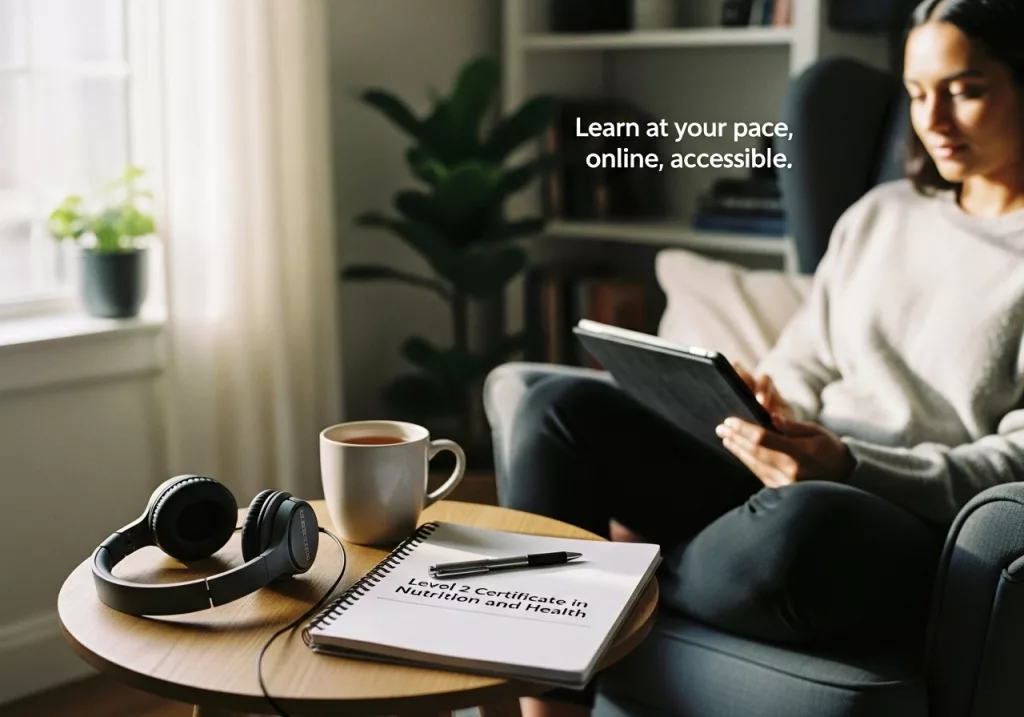
While there isn’t a standalone sleep course on MyFreeCourse.co.uk, several courses address sleep as part of overall wellbeing. The Level 2 Certificate in Awareness of Mental Health Problems covers how sleep affects mental health, whilst the nutrition courses teach you how diet impacts your sleep quality. The Level 2 Certificate in Improving Personal Exercise, Health and Nutrition explores how regular activity and proper eating contribute to better rest.
These government funded wellness courses recognise that sleep, nutrition, and mental health work together. You’ll learn about your body’s rhythms, how to spot what’s disrupting your sleep, and practical techniques that calm your racing mind at bedtime. Understanding stress management through better sleep and nutrition helps you tackle the root causes of poor sleep, not just the symptoms.
Budget Simply: Take Control of Your Money
Starting With the Basics
Money worries drain your energy faster than anything else. But here’s the truth: household budgeting for beginners UK doesn’t require a maths degree. Start by writing down everything you earn and everything you spend for one month. Yes, everything, including that morning coffee. Once you see where your money actually goes, you can make proper decisions.
Track your bills, debts, and regular expenses. Check which debts have the highest interest and tackle those first. Banks such as HSBC , Barclays and Lloyds also offer practical money management training for beginners. These courses teach you simple rules like the 50/30/20 method: 50% for essentials like rent and food, 30% for things you enjoy, and 20% for savings or paying off debts.
Money Management That Works
You don’t need complicated spreadsheets or expensive apps. What you need are practical money management skills you can use immediately, today, not someday. The Level 2 Certificate in Principles of Business Administration available on the My FreeCourse UK website includes modules on understanding business finances, managing information, and basic financial procedures. Whilst it’s designed for work settings, these skills transfer brilliantly to personal budgeting.
You’ll learn how to organise financial information, handle basic accounting tasks, and understand how money flows in and out. The course teaches communication skills that help you negotiate better deals on bills and services. Small changes add up: meal planning reduces food waste, switching to cheaper energy tariffs saves money, and cancelling forgotten subscriptions can save hundreds of pounds a year.
Support Available Right Now
Right now, in 2025, the cost of living is still squeezing everyone. Learning basic financial management through courses like the Level 2 Certificate in Principles of Business Administration gives you practical money management skills that reduce stress and help you sleep better.
Taking control of your finances starts with understanding the basics. You’ll discover where your money’s really going, how to prioritise spending, and how to build even a small emergency fund. The key is building your confidence with money, and structured learning gives you that foundation without judgement or pressure.
Free Courses to Help You Master All Three

The brilliant news? You don’t have to learn all this on your own. Government funded life skills courses are specifically designed for adults like you who want to improve their wellbeing without spending a fortune on courses. These essential life skills courses adults 19+ free programmes cover nutrition, exercise, mental health awareness, and practical business skills, all with proper qualifications at the end.
My Free Course offers courses that support these three essential skills:
For Eating Well:
- Level 2 Certificate in Nutrition and Health (Food Affects Mental Health) – Explores how food affects your mental health, emotional resilience, and wellbeing, with practical meal planning strategies
- Level 2 Certificate in Improving Personal Exercise, Health and Nutrition – Covers healthy eating principles, nutritional requirements, and how diet supports long-term health
For Overall Wellbeing (including sleep and stress):
- Level 2 Certificate in Awareness of Mental Health Problems – Helps you understand how sleep, stress, and lifestyle affect mental health
For Money Management:
- Level 2 Certificate in Principles of Business Administration – Includes basic financial procedures, information management, and organisational skills that transfer to personal budgeting
These are proper, nationally recognised certificates, not just information sheets. Adult learning life skills England programmes offer flexible options because they understand you’ve got a life to manage. Most courses are online, so you can study at 6am before work or 10pm after the kids are in bed. You get tutor support when you’re stuck, and you’re learning alongside other adults facing similar challenges.
Free adult education life skills courses England 2025 are delivered through award-winning online platforms with interactive case studies and downloadable resources. Many courses include templates, worksheets, and guides you can use long after the course finishes. Finding and applying is straightforward: visit MyFreeCourse.co.uk, check your eligibility (usually just being 19+ and living in England), and apply online. Many courses start throughout the year, so you won’t wait months to begin.
Making It Work This Weekend
You don’t need to overhaul your entire life on Monday morning. Start small this weekend with three simple actions that won’t overwhelm you.
For eating well: Plan just three meals for next week. Write down what ingredients you need. That’s it. You’ve just started budget meal planning for beginners without the stress. Choose recipes you already know or find one simple new one to try. Maybe it’s a big pot of vegetable soup, spaghetti bolognese, or a chicken and veg traybake. Nothing fancy, just food that fills you up and doesn’t cost the earth.
For sleeping well: Set a bedtime alarm for tonight, not a wake-up alarm, a bedtime one. When it goes off, start winding down. Put your phone in another room, read for 15 minutes, or do some gentle stretches. This single action helps you improve sleep habits naturally without any fancy equipment or courses. Notice how you feel tomorrow morning. That’s the power of proper sleep.
For budgeting simply: Grab a notebook or open your phone’s notes app. Write down every penny you spend this weekend, the lot at the supermarket, the coffee, the kids’ treats, everything. Don’t judge yourself, just notice. This awareness is the first step in practical money management skills that actually stick.
These tiny actions create momentum. You’re not trying to be perfect; you’re just taking the first step. Use your weekend morning when you’re fresh. Set a timer for 20 minutes if you need to stay focused. Remind yourself why you’re doing this: more energy, less stress, a calmer life.
These affordable healthy lifestyle changes low budget UK families swear by start with manageable steps, not unrealistic goals. You’re not competing with anyone. You’re just making your life a bit better, one small choice at a time.
By Sunday evening, you’ll have made real progress on all three pillars. You’ll have meals planned, a better night’s sleep under your belt, and clarity about where your money’s going. That’s not nothing, that’s the foundation for everything that comes next.
Final Thoughts
You’ve got this. Eating well, sleeping properly, and managing your money aren’t mysterious talents some people are born with, they’re skills anyone can learn. Affordable healthy lifestyle changes low budget UK families make every day prove you don’t need loads of money to live well. You just need the right knowledge and a willingness to start.
Essential life skills training adults receive through government-funded courses isn’t charity, it’s an investment you deserve. Whether you’re on benefits, working full-time, or somewhere in between, a healthy lifestyle on benefits UK is absolutely within your reach. These weekend courses lifestyle improvement programmes are designed around your life, not the other way around.
Life skills courses for adults over 19 in England are available to you right now. Not next year, not when things calm down, now. Take that first step today. Browse the courses available on MyFreeCourse.co.uk, check your eligibility, and apply. The only thing standing between you and a calmer, healthier life is filling in that application form.
Visit MyFreeCourse.co.uk to explore your options, or contact us at [email protected] if you need help finding the right course for your situation. Your future self will thank you for starting today.
Disclaimer
The information provided in this blog is intended as general guidance only. My Free Course cannot be held accountable for any decisions you make after reading this content. For official information about government-funded courses, eligibility criteria, and application processes, please consult the UK Government website at gov.uk. Always verify course details and funding availability before applying. If you need additional information or signposting to appropriate resources, please email us at [email protected], and we’ll do our best to help.
FAQs
Am I eligible for free government-funded courses in England?
f you’re 19 or over and living in England, you’re likely eligible for government-funded courses. Eligibility can depend on factors like your employment status, qualifications you already have, and your household income. Some courses are available to everyone over 19, whilst others prioritise people on certain benefits or with lower incomes. The good news is that the eligibility rules have recently changed, you no longer need three years of UK or EU residency to access these courses. Check the specific course requirements on MyFreeCourse.co.uk or visit the UK Government website for full eligibility details. If you’re unsure, just get in touch with the friendly course advisers who can guide you through the process.
How long do these life skills courses take to complete?
Course length varies depending on the level and subject you choose. Level 2 courses typically take between 8 and 12 weeks if you’re studying part-time, though some learners finish faster or slower depending on their circumstances. The beauty of these courses is their flexibility. You’re not stuck to rigid deadlines or classroom schedules. Most courses are self-paced, so you can study at your own speed around work and family commitments. You might spend 30 minutes here, an hour there, fitting it around your life. You’re not stuck in a classroom every evening. Many courses let you study online whenever suits you best, whether that’s early morning before work, during lunch breaks, or late evening after the kids are in bed.
Will I get a proper qualification at the end?
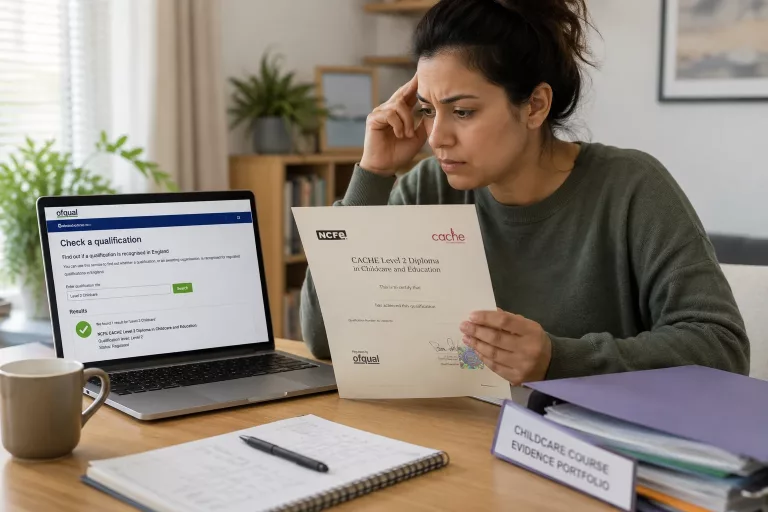
Yes, absolutely! Government-funded courses through MyFreeCourse.co.uk award nationally recognised certificates that are accredited by respected UK awarding bodies like TQUK (Training Qualifications UK), NCFE, and CACHE. These aren’t just participation certificates or meaningless bits of paper. They’re proper qualifications that are regulated by Ofqual, the same body that oversees GCSEs and A-levels. These qualifications are respected by employers across the UK and can help you progress in your career, change direction entirely, or move on to further education if that’s what you want. They’re the exact same certificates you’d get if you paid thousands of pounds at a traditional college. The only difference? You’re getting them for free because you’re eligible for government funding.
Can I really learn to eat healthily on a tight budget?
Absolutely, and this is one of the biggest myths we need to bust. Healthy eating on a budget is completely possible when you know the tricks, and that’s exactly what the nutrition courses teach you. Focus on affordable, nutritious foods like eggs (brilliant value and packed with protein), beans and lentils (cheap and filling), frozen vegetables (just as nutritious as fresh and won’t go off), seasonal fruit (cheaper and tastes better), rice, oats, and pasta. The courses show you how meal planning, batch cooking, and buying own-brand products can stretch your money much further than you’d think. You’ll learn which foods give you the most nutrition for your money, how to read labels so you’re not wasting cash on overpriced products, and how to cook from scratch without spending hours in the kitchen. The Level 2 Certificate in Nutrition and Health specifically covers how to maintain a balanced diet that benefits both your physical and mental wellbeing, even when money’s tight.
What if I’ve never studied since leaving school?
That’s perfectly fine, and you’re definitely not alone. These courses are specifically designed for adult learners, including people who haven’t picked up a textbook in years, decades even. Many students successfully complete these courses in their 40s, 50s, 60s, and beyond. The courses assume no prior knowledge and everything is explained clearly in plain English, no confusing jargon or complicated terms without explanations. You’ll get dedicated tutor support throughout when you’re stuck or confused about something. Your tutor is there to help, not judge. Plus, you’re learning alongside other adults who are facing similar challenges, so there’s a real sense of community and mutual support. The online platforms are designed to be user-friendly, and if you can use Facebook or send emails, you’ll be fine with the learning portal. If you do struggle with technology, there’s tech support available to help you get started.
Do I have to attend classes in person?
Most courses on MyFreeCourse.co.uk are available online, which means you can study from the comfort of your own home at times that suit you. There are no physical classrooms to travel to, no parking to worry about, no rushing across town after work. Some courses might offer optional face-to-face workshops or webinars if you want that extra interaction, but the majority of learning happens online at your own pace. This flexibility makes it so much easier to fit studying around your job, caring responsibilities, or other commitments. You can log in at 6am before the house wakes up, during your lunch break, or at 10pm once everyone’s in bed. You can study in your pyjamas with a cup of tea if that’s what works for you. The courses are accessible on any device, whether that’s a laptop, tablet, or even your smartphone, so you can learn wherever you are.
How quickly can I start seeing results from better sleep and eating habits?
This is the encouraging bit. Many people notice improvements within the first week of following proper sleep hygiene practices and eating more nutritious meals. It’s quite remarkable how quickly your body responds to positive changes. Going to bed at the same time each night, reducing screen time before bed, and eating regular, balanced meals can improve how you feel almost immediately. You might notice you’re waking up less groggy, you’ve got more energy during the day, or you’re not reaching for sugary snacks by mid-afternoon. More complex sleep issues or deeply ingrained eating habits might take a few weeks to properly resolve, but even small improvements make a massive difference to your energy levels, mood, and ability to cope with daily stress. The key is consistency. These aren’t quick fixes that work for a day then stop. They’re sustainable changes that get easier and more natural the longer you stick with them.
Will these courses judge me for my financial situation or current struggles?
Not at all, and this is really important to understand. These courses are completely judgement-free zones run by people who genuinely understand that life happens to everyone. Everyone struggles with money at some point. Everyone has times when they can’t sleep or when their diet goes out the window because life gets overwhelming. The tutors aren’t there to criticise or make you feel bad about where you are right now. They’re there to help you move forward. The other students are supportive, not critical, because they’re going through similar challenges themselves. The entire focus is on learning practical skills to improve your situation going forward, not dwelling on past mistakes or current difficulties. Whether you’re on benefits, in debt, struggling with your mental health, or just trying to make ends meet, you’ll be welcomed and supported. These courses understand that if you’re taking the time to learn these skills, you’re already doing something brilliant for yourself and your family.
Can I do more than one course at a time?
Technically yes, you can take up to seven courses in one academic year, but honestly, it’s usually better to focus on one course at a time, especially if you’re working or have family responsibilities to juggle. There’s a saying: “You can do anything, but you can’t do everything.” Completing one course properly and getting that qualification under your belt is far better than starting three courses and finishing none because you’re overwhelmed. Quality beats quantity every time. Once you’ve completed your first course and you’ve got that confidence boost from achieving something, you can absolutely apply for another one. Many people build up several qualifications over time this way, creating a strong foundation of skills that opens up new opportunities. You can email [email protected] once you’ve finished your first course, and the team will help you choose your next one based on your goals and interests.
What happens if I start a course and can’t finish it?
Life gets in the way sometimes, that’s just reality. You might get ill, face a family emergency, have a change in your work situation, or just find that you’ve taken on too much. If you need to pause or withdraw from a course, the most important thing is to contact your tutor or MyFreeCourse as soon as possible. Don’t just disappear or stop logging in without telling anyone. Depending on your circumstances and how far into the course you are, you might be able to defer your place and restart the same course later when things have settled down. There’s usually no penalty for genuine reasons like illness, bereavement, or family emergencies. The key is communication. The team wants you to succeed, and they understand that adult learners face challenges that traditional students don’t. They’d much rather work with you to find a solution than have you struggle in silence or give up entirely. If you’re finding the course harder than expected, reach out for extra support before you get to the point of wanting to quit. Often, a bit of additional help or a different approach can make all the difference.
Need more help? Email us at [email protected] for additional information, course recommendations, or signposting to other resources that might help your situation. The team is friendly, approachable, and genuinely here to help you find the right path forward.